


Do You Need Probate to Sell a House in the UK?
Do You Need Probate to Sell a House in the UK?
If you’re dealing with a loved one’s estate, one of the first questions you’ll face is whether probate is needed before the property can be sold. The short answer is: usually, yes. Probate is generally required when the deceased died and left property as part of the deceased person's estate. But there are exceptions, and the rules around probate property UK can feel complicated when you’re already under pressure.
This guide explains when probate is required to sell a house, what happens during the process including that an executor is named in a will to manage the deceased person's estate, and if the deceased left no will, an administrator is appointed and how to keep things moving even before a grant is issued. If you need help with estate administration in Hertfordshire or the surrounding areas, speak to our team about our fixed fee probate service for clear, straightforward guidance.
What Is Probate and Why Does It Affect Property?
Probate is the legal process of confirming that a will is a valid will and giving the executor the authority to deal with the deceased person’s assets. If the deceased person owned property in their sole name, that property forms part of their deceased person’s estate and falls under probate jurisdiction. Court approval is required to validate the will and grant the executor authority.
Without a grant of probate, an executor has no legal standing to sell or transfer the property. The Land Registry will not register a change of ownership without it, and most buyers’ solicitors will not proceed without evidence that the seller has authority to act.
This is why the grant is so central to selling a house during probate. It is not just a formality; it is the legal document that gives everything else legal weight. The executor or administrator has a legal duty to act in the best interests of the beneficiaries, which includes identifying and valuing the estate's assets and liabilities, paying debts, and distributing the remaining assets according to the will or intestacy rules.
When Is Probate Required to Sell a House?
Understanding when probate property UK rules apply makes a real difference to how you plan the estate administration process.
Probate is required when:
- The property was owned solely in the deceased’s name
- The property was owned as tenants in common with another person
- The estate is of sufficient value that HMRC or the Probate Registry requires a grant before assets can be released
Probate is not required when:
- The property was held as joint tenants, in which case ownership automatically passes to the surviving partner by right of survivorship
- The deceased held the property in a trust, and the trust document governs what happens next
If you’re unsure how the property was held, check the title deeds or the Land Registry entry. A specialist in probate property UK can confirm this quickly if needed. If there is a will, the named executors can apply for probate; if there is no will, the closest living relative including a civil partner can apply for letters of administration.
Valuing the Estate: Establishing the Property’s Worth
Valuing the estate is one of the first and most important steps in probate. An accurate valuation ensures all assets, including property, bank accounts, and investments, are properly assessed for inheritance tax purposes, helping prevent legal complications later on.
To value the estate, gather details of all assets including the property's current market value, bank balances, and personal possessions. Deduct outstanding debts such as mortgage loans and funeral expenses to arrive at the net estate figure used for probate and tax calculations.
If the estate includes complex assets or unclear ownership, seek advice from a professional estate agent or solicitor to ensure the valuation reflects true market value and avoids delays.
Probate Registry and Applications: How to Get Started
The probate registry is the official public record where grants of probate and letters of administration are issued, giving legal authority to manage the deceased person's estate. Before applying, confirm whether probate is needed and verify your eligibility as an executor or personal representative.
You can search the probate registry to see if a grant has already been issued. If not, you can apply for probate online or by post. The application will require key documents, including the death certificate, the original will (if there is one), and details of the deceased person’s bank accounts and life insurance policy. If unsure, a probate service or legal professional can make the process much easier.
Can You Instruct an Estate Agent Before Probate Is Granted?
Yes. You can instruct an estate agent and begin marketing the property before probate is granted. Many families do this because obtaining the grant of probate can take several months, and getting the property on the market early saves time.
However, the sale cannot legally complete until the grant has been issued. Any buyer agreeing a price before then will need to wait. Most buyers' solicitors are aware of this, and it is not unusual in the property market.
Starting the marketing process early is a practical decision. It does not put you in breach of any legal obligation, and it means you're not adding further delay once the grant arrives. For a step-by-step breakdown of what the full process involves, our probate administration service page sets out each stage clearly.
What Is the Process for Selling a House in Probate?
Here is a simplified overview of how selling a house during probate typically works:
| Stage | What Happens |
|---|---|
| 1. Value the estate | Get a formal property valuation to calculate any inheritance tax owed. |
| 2. Apply for the grant | Submit the probate application to the Probate Registry, along with the will and the inheritance tax forms. You may need to pay inheritance tax before probate is granted. |
| 3. Market the property | Instruct an estate agent. Viewings and offers can happen while you wait for the grant. |
| 4. Grant issued | The executor gains legal authority to exchange contracts, pay debts, and distribute assets. |
| 5. Proceeds distributed | After outstanding debts, funeral expenses, and taxes are settled, the remaining assets are distributed to beneficiaries in line with the will. |
This is the standard path, but complications can arise, particularly where there are disputes, missing documents, or complex assets. For more guidance on what executors face at each stage, read our post on how much probate costs in the UK.
One of the main benefits of buying a probate house is that the property may be priced more competitively than other comparable properties on the market due to its condition and potential need for repairs. The probate application can be submitted online or by post, and online applications may be processed faster, typically within 12 weeks.
Probate Fees and Costs: What to Expect
Understanding the costs involved in probate is essential for effective estate planning. Probate fees can vary depending on the size and complexity of the estate, as well as the services you require. The main cost is the fee for the grant of probate itself, which can range from nothing for very small estates to up to £1,500 for larger ones, depending on the value of the estate.
In addition to the probate fee, you may need to budget for solicitor’s fees, valuation fees for property and other assets, and court fees if the estate is particularly complex. If the estate exceeds the inheritance tax threshold, inheritance tax will also need to be paid, which can significantly affect the total costs. These costs can vary depending on the estate’s value and the specific circumstances involved.
It’s important to factor in all potential fees and taxes when valuing the estate. Seeking advice from a professional can help you understand what to expect and ensure you’re prepared for any costs that arise during the probate process.
Due Diligence in Probate Sales: Legal and Financial Checks
Carrying out due diligence is a key part of any probate sales process. Before a property can be sold, it’s important to check the legal title to ensure there are no issues that could delay or prevent the sale.
You’ll also need to review the deceased person’s bank accounts, investments, and other assets to make sure everything is properly accounted for. Conducting searches for any potential claims against the estate such as those from utility companies or an insurance company can help prevent unexpected problems after the sale.
How Long Does Probate Take Before a House Can Be Sold?
Straightforward probate applications typically take three to six months from submission to grant, but complex cases involving disputes, multiple beneficiaries, or significant inheritance tax liabilities can take considerably longer.
Timelines have extended in recent years due to increased application volumes. Applying online is generally faster than by post. Families across Hertfordshire, including those in Ware, Harlow, Stevenage, and Bishop’s Stortford, are facing the same delays as the rest of England and Wales.
For a full breakdown of typical timeframes at each stage, see our guide on how long probate takes in the UK.
If the probate property UK sale is urgent, for example to clear debts or release funds, discuss your options with a specialist as an expedited review may be possible in some cases. In exceptional circumstances, such as urgent financial needs where traditional options are insufficient.
What About Jointly Owned Property?
This is one of the most important distinctions when dealing with probate property UK. However, if the deceased owned land or property including foreign property specialized legal advice may be needed to ensure correct handling and compliance with relevant laws.
If it was held as tenants in common, each owner holds a separate share. That share forms part of the deceased’s estate and falls into the estate administration process in full.
If you’re not sure which applies, it is worth checking before making any assumptions. Our team can advise on this as part of the wider estate administration service we provide across Ware and Hertfordshire.
The estate of a deceased person includes all their assets, such as money, property, shares, and personal possessions, which are distributed according to the will or intestacy rules if no will exists.
Can Beneficiaries Disagree on Whether to Sell?
Yes, and this is more common than many families expect. When a property is left to multiple beneficiaries, not everyone may want to sell, particularly if a family member is living in the property at the time of death occurred.
In these situations, the executor has a legal duty to act in the interests of all beneficiaries and administer the estate in accordance with the will. That can mean pursuing a sale even where one beneficiary would prefer otherwise.
Challenging an Executor: What If You Disagree with Their Decisions?
If you find yourself disagreeing with the decisions made by the executor of a deceased person’s estate, it’s important to know that you have options. Challenging an executor can be a complex and time consuming process, so it’s essential to seek advice from a solicitor or use a probate service for guidance.
You may need to provide evidence of the executor’s actions, such as documentation showing a breach of duty or failure to follow the deceased person’s wishes. In some cases, you might need to contact the inheritance tax helpline for advice or apply to the court for intervention, which could include removing the executor or appointing a new one.
Frequently Asked Questions About Probate and Property
Can I sell a house before probate is granted?
You can market the property and accept an offer before probate is granted, but you cannot legally exchange contracts or complete the sale until the grant of probate is in place. Note that financial institutions may require probate to release money from the deceased's accounts, though some banks or insurers will release funds below certain thresholds without probate. In certain circumstances, such as urgent probate sales, your solicitor may be able to advise on ways to keep the process moving.
Do I need probate if the property is in joint names?
It depends on how the property was held. If you were joint tenants, ownership passes automatically and probate is not required for the property. In some cases, life insurance proceeds or certain assets may be paid directly to beneficiaries without the need for probate. If you were tenants in common, the deceased’s share is part of their estate and probate will be needed to deal with it.
What if There Is No Will? Understanding Letters of Administration
When someone dies without a will, the rules of intestacy determine who can administer the estate. The appointed personal representative is called an administrator, and the authority document is called letters of administration. The property cannot be sold until that authority is formally granted.
The administrator must ensure there is enough money in the estate to pay all debts, taxes, and expenses before distributing assets to beneficiaries. If the estate is insolvent, the administrator must handle this carefully to avoid personal liability for unpaid debts.
Once granted probate or letters of administration are in place, the sale can proceed. These documents become public documents and form an official public record of the authority to act.
Can I empty or clear the house before probate?
Any income received by the estate during the administration period such as rent from letting the property or interest from estate assets may be subject to income tax and must be reported to HM Revenue & Customs. Clearing the property prematurely could affect the estimated value used for probate purposes and cause complications with surviving relatives and beneficiaries. Always seek advice before acting.
How can The Probate Bureau help with a probate property sale?
The Probate Bureau handles the full probate process for families across Hertfordshire and beyond. We manage the grant application, liaise with HMRC on inheritance tax and estate valuation, and support executors at every stage. Whether your estate includes property, bank accounts, a life insurance policy, or assets held with a building society.
Standard home insurance may not cover unoccupied properties, so probate insurance is essential for protecting the estate during the administration period.
Getting Help With Probate Property and Inheritance Tax in Hertfordshire
Managing a probate sale is rarely straightforward. Between obtaining the grant of probate, arranging valuations, managing buyers, and resolving beneficiary disagreements, there is a great deal to coordinate, often while still grieving.
The Probate Bureau offers fixed-fee estate administration services across Hertfordshire and the wider region, whether your situation is simple or involves multiple properties and beneficiaries.
Contact The Probate Bureau today to speak with a specialist about your probate property question. We're here to make a difficult process as clear and manageable as possible.
Back To BlogShare This Post


Recent posts
- What Documents Do You Need for Probate? By Probate Bureau , 26/05/2026
- Can You Access Bank Accounts Before Probate? By Probate Bereau , 26/05/2026
- Do You Need Probate to Sell a House in the UK? By Probate Bereau , 26/05/2026
2015 Archive
2016 Archive
2018 Archive
2019 Archive
2020 Archive
2023 Archive
- July 10 posts
0 Archive
- December 1 posts
Blog Categories
Find your way through the probate maze
Click here to follow our step-by–step probate process guide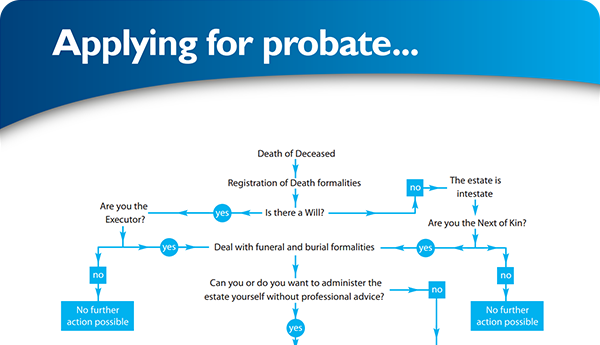
Testimonials
Excellent service, everything went very smoothly. Like to thank Ann and her team.... read more
Good & Reliable service, always kept up to date with what was happening. Value for money.... read more
Latest Tweet
Follow @ProbateBureau


Contact Us
0800 028 2837 info@probatebureau.comTHE PROBATE BUREAU
3 Crane Mead Business Park
Crane Mead
Ware
Hertfordshire
SG12 9PZ
×